

Conditions remain tough in the games industry, and layoff figures were still high in 2025, although down from their peak in 2024.
Amir Satvat, business development director at Tencent Games, maintains a widely used resource for helping people find jobs in the games industry, and for the past few years he has been tracking and forecasting layoff numbers. Crucially, he attempts to include layoffs that were not publicly reported, as well as using his community connections to find out actual figures for layoffs when companies report them without listing the numbers of people affected.
At the time of writing, Satvat has settled on a figure of 9,175 games industry layoffs in 2025, just shy of the prediction of 9,769 he made back in January. That’s dramatically down on the estimated 15,631 layoffs in 2024, although still higher than the estimated 8,500 layoffs in 2022, when the current games industry crisis kicked in.
Satvat predicts that we’ll see another 7,500 layoffs in 2026, pointing towards a slow recovery in the industry. However, he thinks that the share of open roles in North America and Western Europe will continue to decrease.
Earlier this year, he told The Games Business that “over 70%, and in some years 75%, of the layoffs have been in North America,” with AAA studios being particularly affected, and with more than 50% of cuts taking place in California.
Similarly, a survey released in October found more than 26% of European game professionals were laid off in the past year, with median salaries dropping dramatically compared with 2024. “Salaries for programmers – especially Unity developers – have dropped by almost half, mainly because there are barely any open positions,” said Tanja Loktionova, founder of Values Value and co-founder of InGame Job, the companies behind the survey. “There have been a lot of layoffs and very few new opportunities.”
Satvat predicts that whereas job opportunities will decrease in Western Europe and North America, they will increase in Latin America, Eastern Europe, and Asia. That tallies with comments made during this year’s GamesIndustry.biz Investment Panel by Lirui Ding, principal at the gaming venture capital firm Transcend Fund, about the games industry’s ongoing geographical shift. “We’re really seeing a lot of money actually going from the US and Europe to other emerging markets,” he explained, “whether it’s China, Turkey, or even Vietnam.”
Chris Petrovic, chief business officer and board chairman at the developer and publisher FunPlus, made similar comments in a GamesIndustry.biz feature in December, where he predicted that the industry would grow, but in different areas of the globe. “Previously, we talked a lot about gaming innovation, creativity, and commercial success coming from places like the United States, Canada, Germany, and Finland,” he said, “and now we are increasingly talking about emerging game dev hubs like China, Turkey, Israel, and Vietnam.”
The year in layoffs
2025 saw a number of studio closures, including Toadman Interactive, Freejam, nDreams Studio Orbital and nDreams Studio, Thunderful-owned Studio Fizbin, Spectre Divide developer Mountaintop Studios, Zynga-owned Echtra Games, Dundee-based Cobra Mobile, Microsoft-owned The Initiative, Avalanche Studios Group’s Liverpool studio, Ubisoft Leamington, T-Minus Zero Entertainment, Fantastic Pixel Castle, and Bad Brain Game Studios.
Reports also alleged that Ballistic Moon, the UK-based developer of the Until Dawn remake, was “effectively closed” after almost all its staff were laid off, while Aheartfulofgames, the Spanish studio behind Teenage Mutant Ninja Turtles: Mutants Unleashed, said it faced closure after owner Outright Games signalled its intention to make all employees at the studio redundant.
In addition, the UK-based studios Three Fields Entertainment and Splash Damage both began redundancy consultations affecting all employees.
Dozens of studios cut staff numbers in 2025, including:
In terms of the biggest gaming companies, Tencent Games made a number of cuts and divestments at its European studios. In February, the Tencent-owned Sumo Group announced it would be refocusing “exclusively on development services for partners,” which would “have an impact on our studios and people.” It sold off publisher Secret Mode in March. In June, Sumo-owned studio The Chinese Room made a small number of layoffs before revealing it would be going independent.
In January, Splash Damage – which was bought by Tencent in 2020 – said jobs were at risk following the cancellation of Transformers: Reactivate. In September, the studio said it had been acquired by private-equity investors, then in November the entire studio was placed in consultation ahead of redundancies.
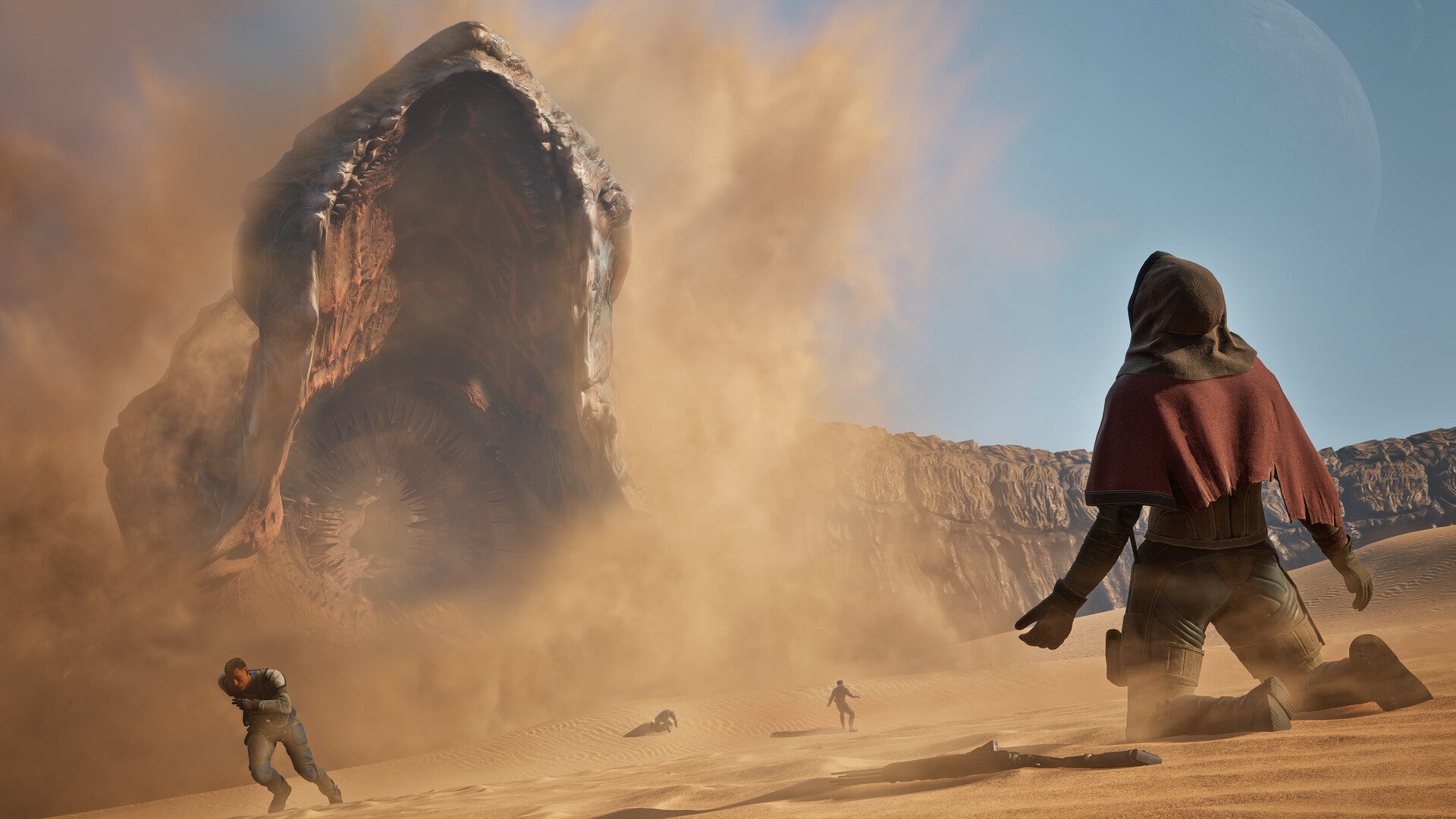
In October, Oslo-based Funcom, which is owned by Tencent and is behind the open-world survival game Dune: Awakening, said it would be making job cuts as part of a restructuring. And in November, Tencent-owned studio Sharkmob, which is working on the sci-fi extraction shooter Exoborne, said it was making job cuts at its Malmo studio.
NetEase studio Jar of Sparks said in January that it would be looking for a new publishing partner after NetEase pulled its funding. “As we prepare for this next step, our talented team members will be exploring new opportunities,” said founder and CEO Jerry Hook. Then in February, the NetEase-backed studio Liquid Swords, which was established by Christofer Sundberg, the co-founder of Avalanche Studios, reported a round of job cuts.
A few days later, NetEase confirmed layoffs at a US support studio for Marvel Rivals, hours before revealing the game had 40 million players. NetEase also shut down T-Minus Zero Entertainment, divested Fantastic Pixel Castle (which subsequently closed), and pulled out of Bad Brain Game Studios, a studio it had set up in 2023, which closed after it failed to find a new publisher.

Microsoft made some major job cuts in 2025. After a relatively small round of layoffs in January, the firm announced a 3% cut to its staff in May. But the biggest round of job cuts came in July, affecting an estimated 9,000 people, or around 4% of Microsoft’s workforce, and causing a major shake-up in Microsoft’s games division. Studios affected included King, Blizzard, Turn 10, Raven Software, ZeniMax Online Studios, and The Initiative, with the latter being shuttered.
Microsoft’s console rival Sony made cuts too, laying off staff at the PlayStation support studio Visual Arts and PS Studios Malaysia, as well as initiating redundancies at Days Gone maker Bend Studio.
Unity implemented another round of cuts in February, following around 1,800 job losses in January 2024, and Amazon announced an enormous 14,000 layoffs in October, which resulted in work ceasing on the MMO New World. Intel, meanwhile, announced layoffs in April and July as part of cost-cutting measures.
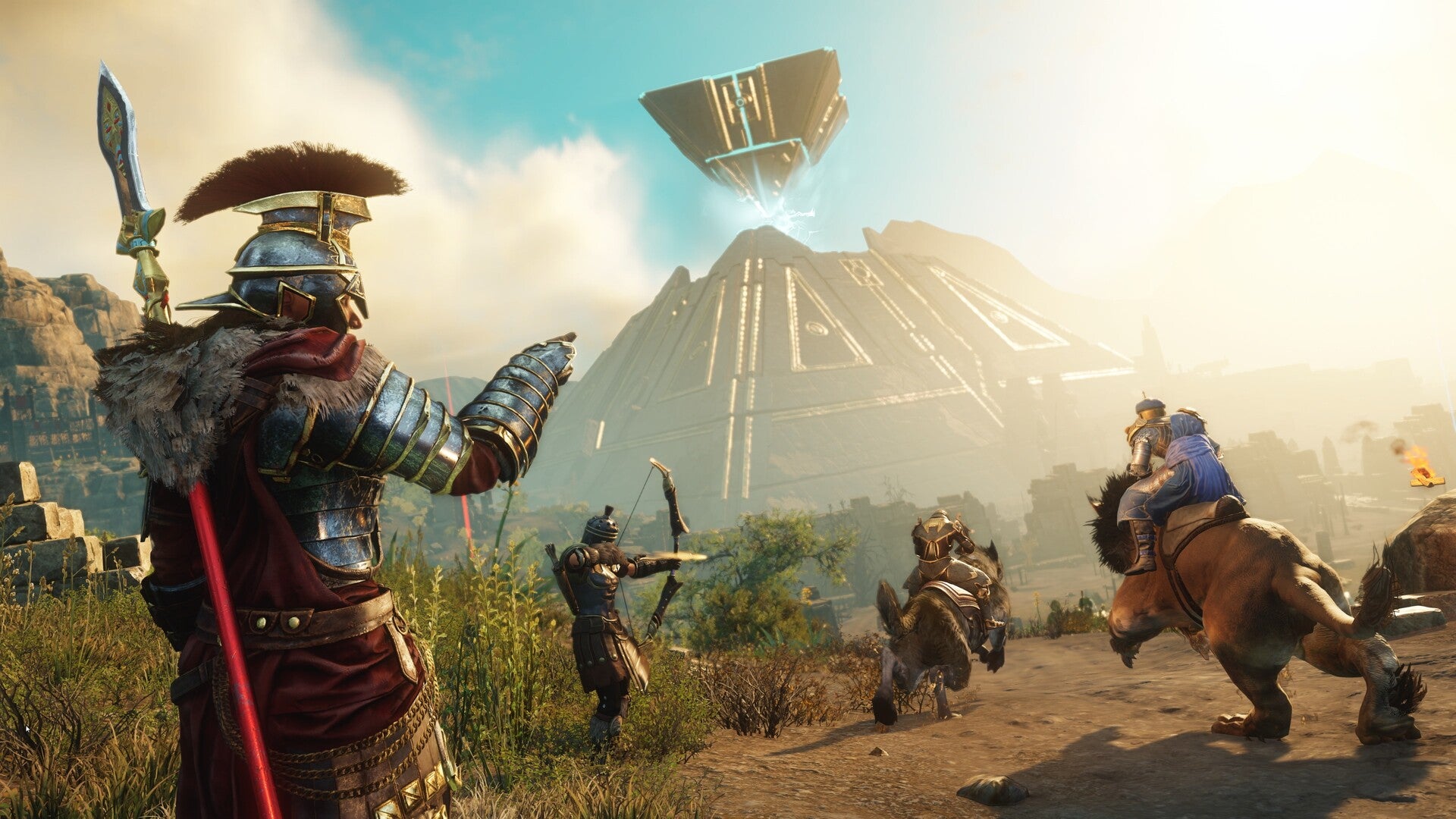
Meta laid off a number of people in 2025, cutting 5% of staff in January, and then making further cuts to the Reality Labs division in April. But there could be bigger cuts to come, after Bloomberg reported that Meta is allegedly planning to slash budgets in its Reality Labs division by as much as 30% in 2026.
Netflix-owned Night School Studio cut an undisclosed number of staff in February, and Krafton-owned Striking Distance Studios – which was behind The Callisto Protocol – made layoffs in March. Square Enix, meanwhile, implemented a “fundamental restructuring” in November, pulling resources away from “overseas” development studios and putting over 100 jobs at risk.
Embracer-owned Crystal Dynamics cut staff in March, August, and November, before unveiling Tomb Raider: Catalyst at the Game Awards in December, which is being published by Amazon. In addition, the Embracer studio Eidos Montreal, which was behind Marvel’s Guardians of the Galaxy, was allegedly hit with layoffs in December, following an earlier round of cuts in March.
Ubisoft made numerous job cuts in 2025. In January, it made redundancies at Ubisoft Düsseldorf, Ubisoft Stockholm, and Ubisoft Reflections, and announced the closure of Ubisoft Leamington. Then in July, it announced 19 layoffs at the Tom Clancy: Ghost Recon studio Red Storm, followed by nine job losses in the publishing team in September. Finally, in October, it unveiled a “restructuring proposal” for the Finland-based RedLynx studio that could affect up to 60 positions, shortly before announcing plans to offer voluntary redundancies to staff at its Swedish subsidiary Massive Entertainment.
EA also cut a number of jobs this year, beginning with the EA studio Respawn cancelling two “early-stage” incubation projects and cutting developers from its Apex Legends and Star Wars: Jedi teams, resulting in approximately 100 layoffs. On the same day, EA announced a further 200 job losses, chiefly affecting EA’s Experiences team. A day later, EA said it was “pausing development” of the World Rally Championship series, leading to layoffs at Codemasters.

Finally, there were a number of cuts at studios owned by Take-Two Interactive. 2K Games confirmed in August that it had “reduced the size of the development team” working on BioShock 4, which is being developed by the Californian studio Cloud Chamber. Then in September, 2K confirmed a “reduction” in the headcount at Civilization and XCOM developer Firaxis.
But most controversially, the Independent Workers’ Union of Great Britain (IWGB) accused Take-Two-owned Rockstar Games of union busting after the studio dismissed 31 employees who were allegedly attempting to unionise at the end of October. The move led to protests outside Rockstar’s offices and the sending of a letter condemning the dismissals that was signed by 220 employees at Rockstar North. Rockstar disputes the claims of union busting, saying the employees were fired for gross misconduct after discussing “confidential information in a public forum.” However, UK prime minister Keir Starmer described the dismissals as a “deeply concerning case” and said that ministers would investigate.