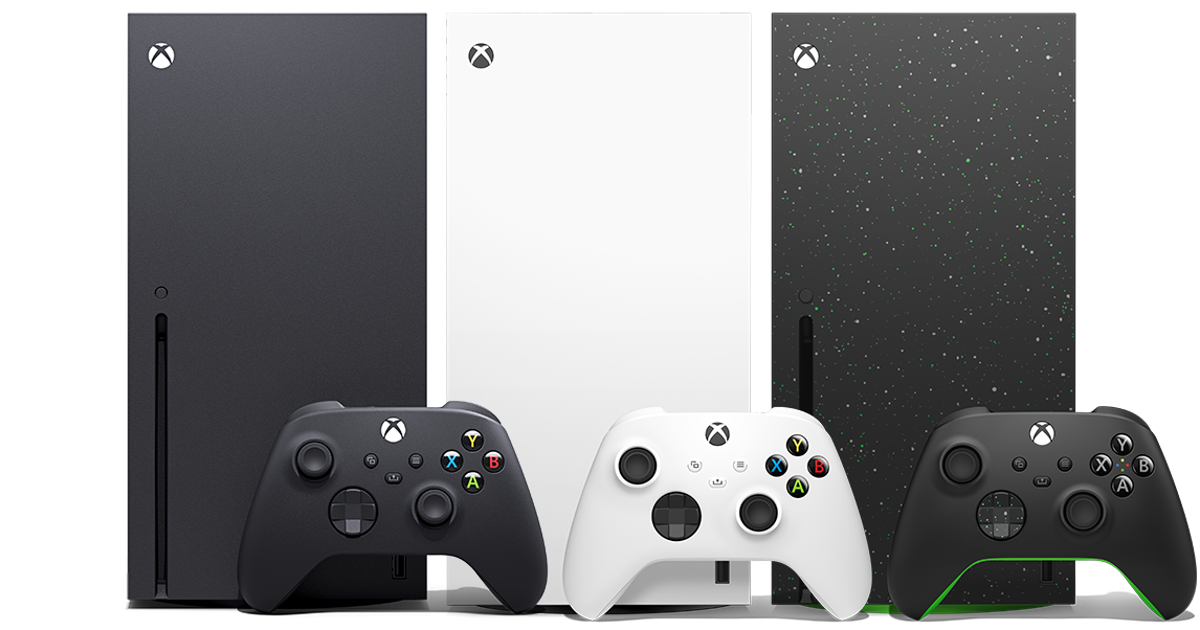
Microsoft’s latest financial results make for grim reading for anyone invested – emotionally or otherwise – in the future of Xbox. The headline figure is that revenue from the company’s gaming operations fell by 9% year-on-year in the three months from October to December last year, but within that is the really dramatic figure: a 32% crash in hardware revenue.
Software and services revenue also fell, dropping by 5% – much of which may be attributable to the weaker performance of last year’s Call of Duty instalment. The sheer scale of Call of Duty as a franchise can be both a blessing and a curse for the company; a stumble for CoD can easily erase any gains from other aspects of its software and services strategy.
That’s a big problem because it essentially rules out the only possible positive narrative about these results. To wit: Microsoft is in the middle of a massive and unprecedented transition for its games business, transforming Xbox from a console brand into a services platform: disruption on the hardware side of the business is an inevitable consequence, but look, the software and services numbers show that it’s working.
The focus on Game Pass and on cross-platform gaming just doesn’t seem to have been the game-changer that Microsoft hoped for
That’s not what the software and services numbers show, though. While CoD’s underperformance is arguably – hopefully – a one off, the focus on Game Pass and on cross-platform gaming just doesn’t seem to have been the game-changer that Microsoft hoped for, at least not yet.
Looking at what data the company chooses to report and omit is also quite telling. We haven’t had an update on Game Pass subscriber numbers since February 2024, when they stood at 34 million. Perhaps growth is meteoric and Microsoft is just being uncharacteristically bashful?
If so, they’re choosing some odd things to focus on instead. CEO Satya Nadella didn’t talk much about the gaming side on the earnings call, but he did mention two data points – that during the quarter the company set new records for “PC players” and “paid streaming hours on Xbox”.
Those are curious things to cherry pick from what is undoubtedly an absolute mountain of details about the performance of the Xbox division which Nadella would have had available to him while preparing these remarks. “PC players” is a very broad term – note that he’s carefully not saying these are PC Game Pass subscribers or anything of that sort. “Paid streaming hours on Xbox”, meanwhile, is peculiarly specific, and very notably doesn’t say anything about the actual userbase for streaming games on the platform.
I don’t think any of this suggests that the software and services strategy Microsoft is pursuing is actually working as they had hoped. Any company or division can have a tough quarter when a major product underperforms – but when a division in the midst of a difficult business transition has to report such negative numbers, you’d think that they’d seek to assuage fears by whipping out the best data points they could for things like subscriber growth. When Nadella is instead reduced to carefully qualifying a statement about records set in some fringe part of the business, it makes it seem awfully like they don’t have anything better to report.
If that is the case, this is a crisis point for the Xbox business. The strategic transition has caused a huge slump in sales of Xbox console hardware, while seemingly not delivering the results that are needed on the software and services side.
This would have sounded insane only a few years ago when Microsoft was spending the best part of $100bn on acquisitions to build up its gaming division, but it now seems quite possible that the company is going to be left without a viable console platform and with its services and digital retail offerings on PC continuing to play a distant second fiddle to Valve’s Steam storefront. On its current trajectory, Microsoft will continue to be an absolutely massive games publisher – swallowing Activision Blizzard and Zenimax ensured that much – but it may no longer be a platform holder in the most realistic senses of the term, any more than any other publisher that operates a subscription service on the side is a platform holder.
For its part, Microsoft does remain committed to being a platform holder – unsurprisingly, of course, given that all the money it spent on game publisher acquisitions was meant to turn it into the gaming equivalent of Netflix, not just a big third-party publisher. It maintains that it’s still working on its next-generation console hardware, and I’m sure that that’s true – I’m just less and less confident that it will ever actually launch, with the possibility of it falling victim to a strategic pivot seeming increasingly likely.
It’s still working on its next-generation console hardware but I’m less and less confident that it will ever actually launch, with the possibility of it falling victim to a strategic pivot seeming increasingly likely.
Microsoft has already implied that this device is going to be more of a niche offering for high-end consumers, with a high-end price tag to match. In essence, it seems likely to be an Xbox-branded PC – but the market positioning for such a device looks trickier by the day.
Rising component prices, especially for RAM, are likely to spike the price tag even further. If it’s priced like a PC, consumers will expect to have the freedom you’d get from a PC device – such as installing Steam. That creates a Catch-22 for Microsoft. Sell an open device which lets people use competitor’s stores and face down the reality that most purchasers will probably end up getting most of their software from Steam; or make it a closed platform like the current Xbox consoles and further diminish the appeal of a device that’s already pitched as an expensive niche product.
With Valve’s Steam Machine likely to appear this year, the potential market for such a device from Microsoft shrinks even further. I don’t doubt that there is a very talented engineering team at the company working on this Xbox successor – but nobody should be surprised if a strategic shift in the coming months refocuses Xbox hardware efforts entirely around collaborations like the Xbox ROG Ally devices produced with Asus last year.
Microsoft’s difficulties with this transition are of its own making, but nobody, not even its competitors, should take any joy from the situation. The industry faces a tough enough time without one of its major platform holders and publishers struggling with an ill-judged strategic shift, and if the company does effectively pull the plug on Xbox console hardware in the coming years, the loss of a serious competitor to Sony would be a major blow to both the industry and its consumers.