



Boston Consulting Group has said that live-service titles are either plateauing or declining in popularity.
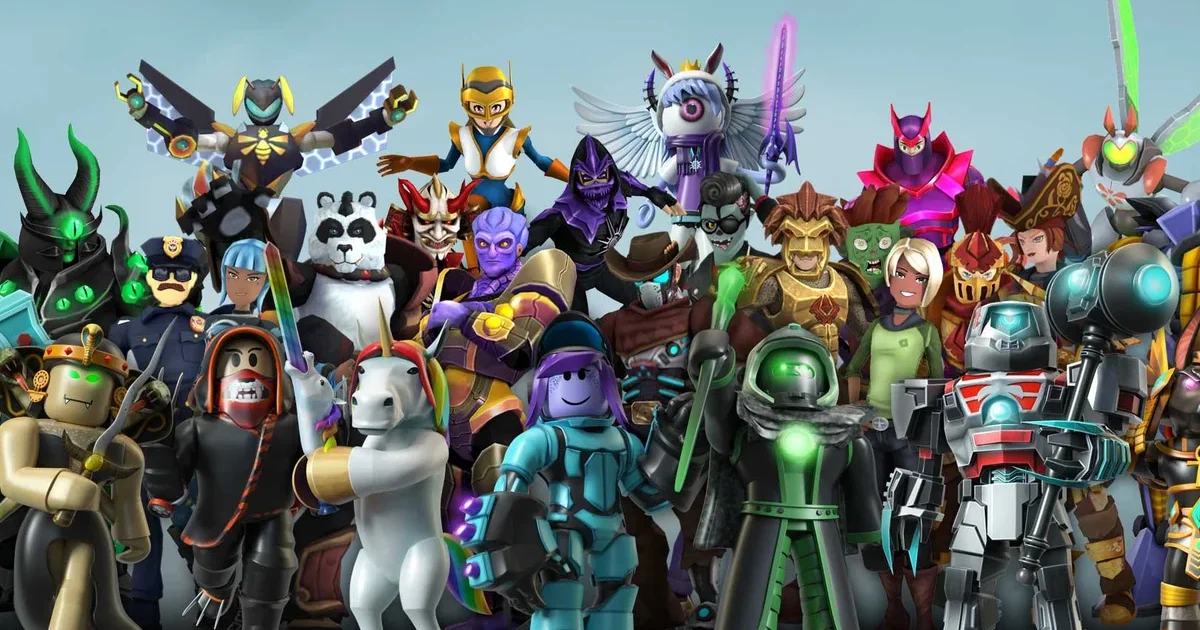
Speaking to GamesIndustry.biz about its latest report, the company noted that many games of this type have reached the pinnacle of their popularity, while user-generated content platform Roblox is bucking the trend and growing. Despite this, Boston Consulting points out that free-to-play service-based titles – such as Fortnite, Call of Duty, and Valorant – still boast large player bases.
The company also points out that while Roblox is seeing growth, other titles, such as Fortnite, are putting more emphasis on their own user-generated content platforms.
“For several years, the narrative in the industry has been that Live Service games are ‘black holes’, consuming ever more time from players. Indeed, we found that from millennials onward, 50% report preferences for live services,” BCG partner Giorgo Paizanis said.
“This resulted in some major investment into live service games, which flopped over the past few years. Few if any made it in – for example, Skull & Bones, xDefiant, Suicide Squad, Concord, and even those with some successes have seen declines since, such as Helldivers and Marvel Rivals.
“What we’re observing this year is the plateau and decline of some of the largest live service games – like Fortnite and Call of Duty – which have been dominant for at least the past 5 years.
“The one that keeps growing despite this reversal trend is Roblox. In response to this, we’ve seen Fortnite pivot toward greater emphasis on its creator economy and over the past several months we’ve started to note top games are user-created vs. Epic-created, which is a relatively new phenomenon.”

Boston Consulting Group also believes that subscription-based models will grow in popularity as time goes on. The firm believes that this type of business model makes access to games easier across a variety of different genres.
“From the data, we find this preference to be strong through millennials and correlates in general with the share of time spent, which leads us to think that it will persist,” Paizanis explained.
“Beyond the data, we think that over time – as games are increasingly backward and forward compatible and accessible across devices and screens – the subscription model will be attractive as a way to access content anywhere without worrying about storage. We also find that for some game types, for example, single player narrative titles, people may prefer to try a variety of games, which is a behaviour that is difficult to do if each costs $50-to-70.
“We also think that iterative sports franchises are likely better served under a subscription model than an annual release to maintain and grow playerbase while funding regular content and feature updates. Family-oriented subscriptions are also a category we would expect to rise as more parents are playing games together with kids.”
Boston Consulting Group has forecast that the games industry will generate $350 billion in revenue globally by 2030.
