



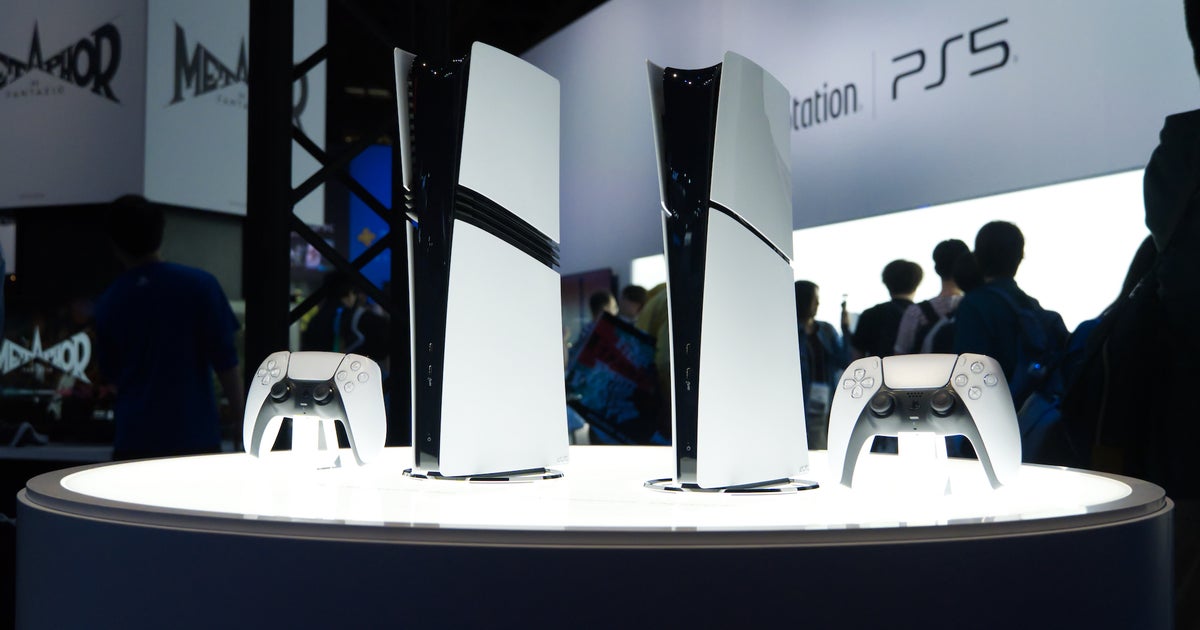
Sony is reportedly considering delaying the rollout of its next-generation console due to the ongoing memory shortage crisis.
People “familiar with the company’s thinking” told Bloomberg that Sony may push back the release of its next PlayStation console to 2028 or even 2029, causing “major upset to a carefully orchestrated strategy to sustain user engagement between hardware generations.”
Nintendo – which inadvertently drove up demand last year as players sought new storage cards when its Switch 2 console released – is reportedly considering a price rise later this year, although neither Nintendo nor Sony representatives responded to bloomberg’s request for comment.
It comes as the entire tech industry scrambles for memory as AI data centers from companies like Alphabet and OpenAI buy up huge reserves of memory chip production, leaving little for consumer electronics like consoles and PCs. Some have dubbed the crisis “RAMmageddon.”
“This structural imbalance between supply and demand is not simply a short-term fluctuation,” Lenovo CEO Yang Yuanqing told investors during an earnings call last week.
“This is the most significant disconnect between demand and supply in terms of magnitude as well as time horizon that we’ve experienced in my 25 years in the industry,” Micron EVP of operations, Manish Bhatia, told Bloomberg last December.
According to Sony’s most recent financial report, the platform holder shipped 8 million units of the console during the holiday period, constituting a 15.7% decrease in sales compared to the 9.5 million units moved by the end of Q3 in December 2024.
“While PS5 hardware unit sales have decreased moderately in the latter half of the console cycle, software revenue from the PlayStation Store reached a record high during the quarter, primarily driven by the contribution of major third-party franchise titles and new hit releases,” CFO Lin Tao noted.
