



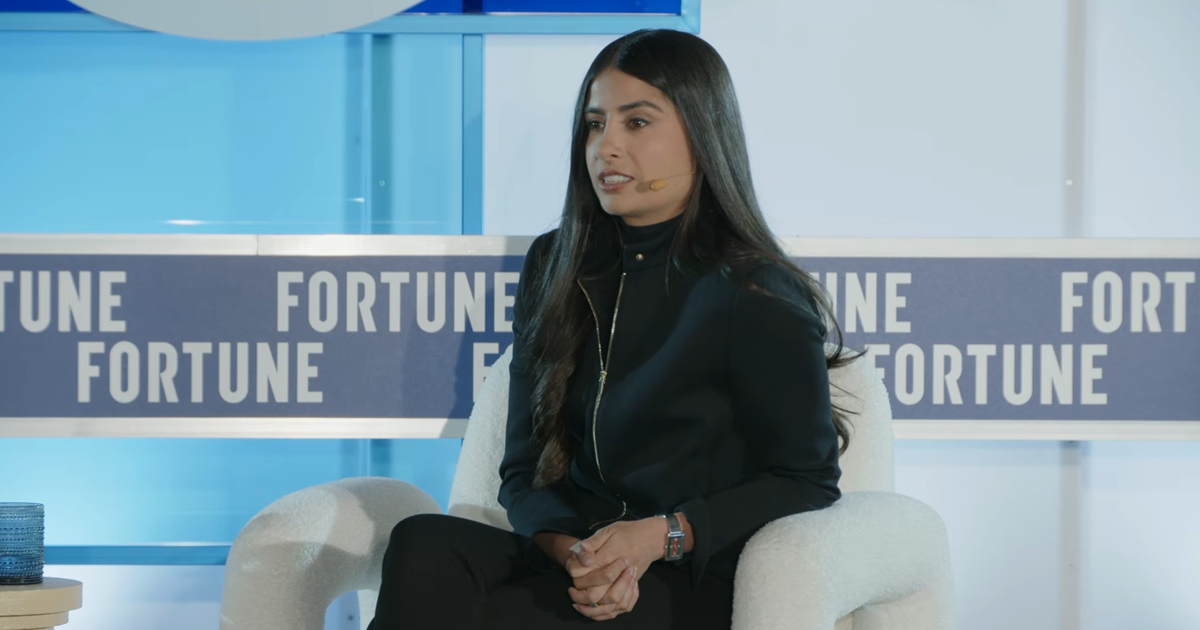
Xbox CEO Asha Sharma says the industry should prioritise reducing hardware production costs rather than focusing solely on developing the “most premium, high-performance consoles”.
Speaking to Fortune, Sharma observed that platforms have reached a stage where it is difficult to expect consumers “to spend thousands of dollars on a console generation”.
“We must think about the cost construction of consoles and how we create different plans, partnerships that will allow us to have better distribution, and experiences that we’re creating outside of that to reach new audiences.”
“We will continue to look at new business models – that’s what is needed for consoles rather than just the most premium, high-performance console in the world.”
This comes after a 33% year-on-year decline in hardware revenue during Q3, which Sharma described as “not particularly healthy”.
To address this, Xbox is reintroducing exclusive titles to the platform, including the recently announced Gears of War: E-Day and Clockwork Revolution as platform exclusives.
“You want your games to be everywhere,” said Sharma. “We’re increasingly becoming more of a platform, and it’s hard to find examples of platforms out there that don’t have exclusive services and content.
“We’re starting by introducing one to two signature exclusives, and as the business becomes healthier, we will look to try and do more.”
This aligns with comments from Xbox chief strategy officer Matthew Ball, who emphasized that “players can expect a reliable pipeline that validates their historical investment in the Xbox platform, keeps them as Xbox players going forward and everyone in the industry understands that exclusives are important to the growth and branding of that platform.”
When asked about the impact of recent Game Pass price reductions, Sharma noted that Xbox has already “started to see a return to growth, more subscribers and, more importantly, better retention.”
“We’ll be doing more this summer in order to create more flexible offerings to meet all the types of players that we have, and we’ll continue to iterate on that now.”
