
.png?width=1200&height=630&fit=crop&enable=upscale&auto=webp "Ethical, low-power, and on-device: Studio Atelico’s vision for the future of generative AI")


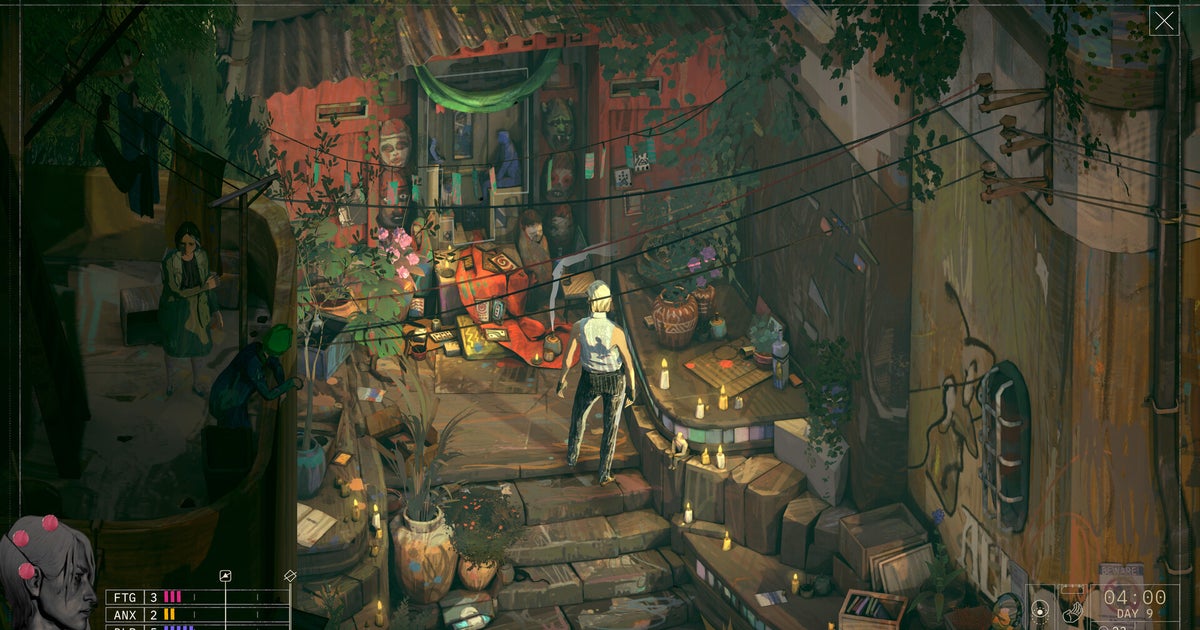
ZA/UM has announced layoffs impacting 32 employees across all departments.
In a statement on social media, the Disco Elysium developer explained that the commercial performance of its latest release, Zero Parades: For Dead Spies, “has not enabled us to sustain a studio of our current size.”
“This changes the shape of ZA/UM, but not its purpose. Our artistic standards remain unchanged: we will persist.”
ZA/UM consulted representatives of the ZA/UM Workers’ Alliance during the redundancy process.
Last year, UK staff unionised as the Workers’ Alliance, represented by the Independent Workers Union of Great Britain (IWGB).
“We can exercise our legal rights should we need to,” marketing manager Poppy Ingham told GamesIndustry.biz last year. “But mostly so we can try and have the studio work as a collaborative project between the workers and management. We like being here.
“We want to continue being here. So let’s try and get a seat at the table in the big management meetings.”
Ingham added: “Our meetings are completely open to our other colleagues who might be based and employed by our Porto arm or our Tallinn arm, for example. So although we can only exercise legal protection for UK workers, we can still bring in other workers from around the world to feed in on what we’re doing.”
The previous round of layoffs at ZA/UM took place in 2024 after the cancellation of three games, including a sequel and an expansion to Disco Elysium. Approximately 20 employees were affected.
ZA/UM president Ed Tomaszewski stated that after the first two cancellations, the studio reassigned staff to other projects.
The cancellation of the Disco Elysium expansion, however, resulted in layoffs.
“Given the financial realities of being an independent studio, we were not able to continue with a part of the team,” Tomaszewski told us.
“After the success of Disco Elysium and the energy that came from it, not only did the team think that they could do anything, but they thought they could do everything and all at once.
“This was a painful lesson for the studio to learn, where we got a better sense of what we were able to achieve as we moved along, but had to make painful decisions along the way.”
