


The number of games released through Steam’s Early Access program has risen significantly in recent years. According to SteamDB, 2,924 Early Access games launched on Valve’s platform in 2026 (as of mid-October), an 18% increase from 2025 and a 60% increase from 2020.
As a percentage of the overall number of Steam games released each year, Early Access titles are on the rise, going from a 10.4% share in 2024 to 11.3% in 2025 and 13.7% in 2026.
When Steam launched its Early Access program in 2013, it opened a valuable door for solo developers and smaller studios, allowing them to raise capital mid-development while simultaneously building hype and gathering vital player feedback ahead of a 1.0 launch. Don’t Starve, Baldur’s Gate 3, and Dead Cells are just some examples of how a constructive Early Access period can lead to long-term success.
But rather than simply buying time to tinker, a game’s Early Access launch is now just as important as its “real” launch. GameDiscoverCo reported that only 21% of Steam Early Access graduates earned more in their first 30 days after 1.0 than after their Early Access release.
GamesIndustry.biz spoke to the studios behind Valheim, Subnautica, Hades, Phasmophobia, Paralives, and Deadhaus Sonata about the rising bar for Early Access releases, the benefits and pitfalls of gathering player feedback, and the things they would have done differently.
The quality bar rises
Nowadays, when it comes to Early Access, absolutely anything goes, says Anthony Gallegos, creative director of Subnautica 2. “It’s not a few edge-case games participating anymore,” he tells GamesIndustry.biz. “Early access could mean a game like ours doing long-term open development, or it could be a game three months from a 1.0 release that’s effectively doing a paid beta soft launch and using the Early Access term as a way to soften player expectations.”
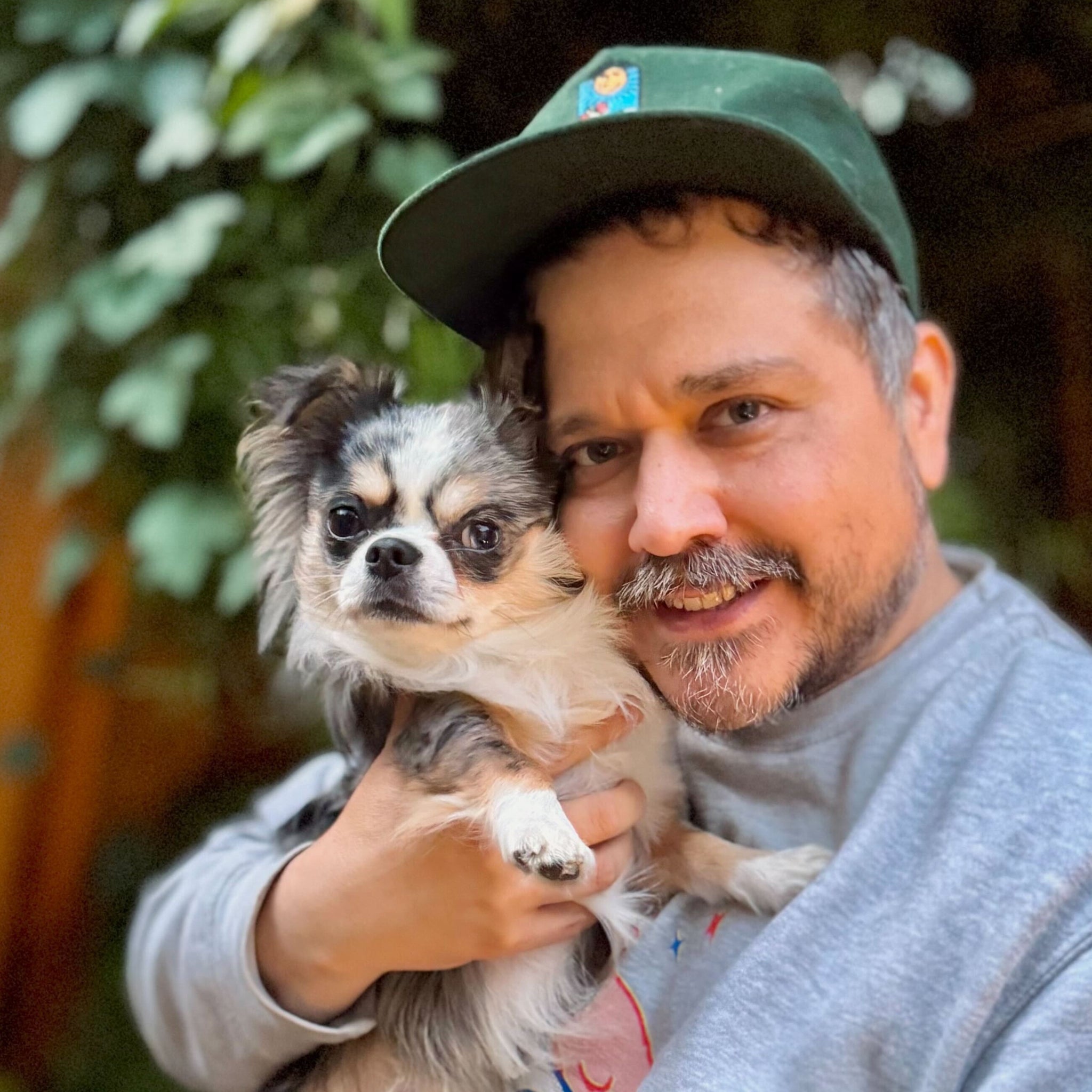
All in all, that makes for a “more diverse and confusing landscape,” he says.
One thing is certain though: competition in the Early Access space is higher than ever. Daniel Knight, CEO and game director at Phasmophobia maker Kinetic Games, says that whether Early Access or 1.0, new releases need to be at “a much higher quality.” Paralives developer Alex Massé says he ended up delaying the game’s Early Access launch from December 2025 to May 2026 after pre-release tests revealed the tutorials and some other features weren’t up to scratch.
Richard Svensson, CEO of Valheim developer Iron Gate, believes that player expectations for an Early Access game are about 20% lower than for a full release, but they are still high. “They might be more forgiving when it comes to content, but they still expect a polished game.”
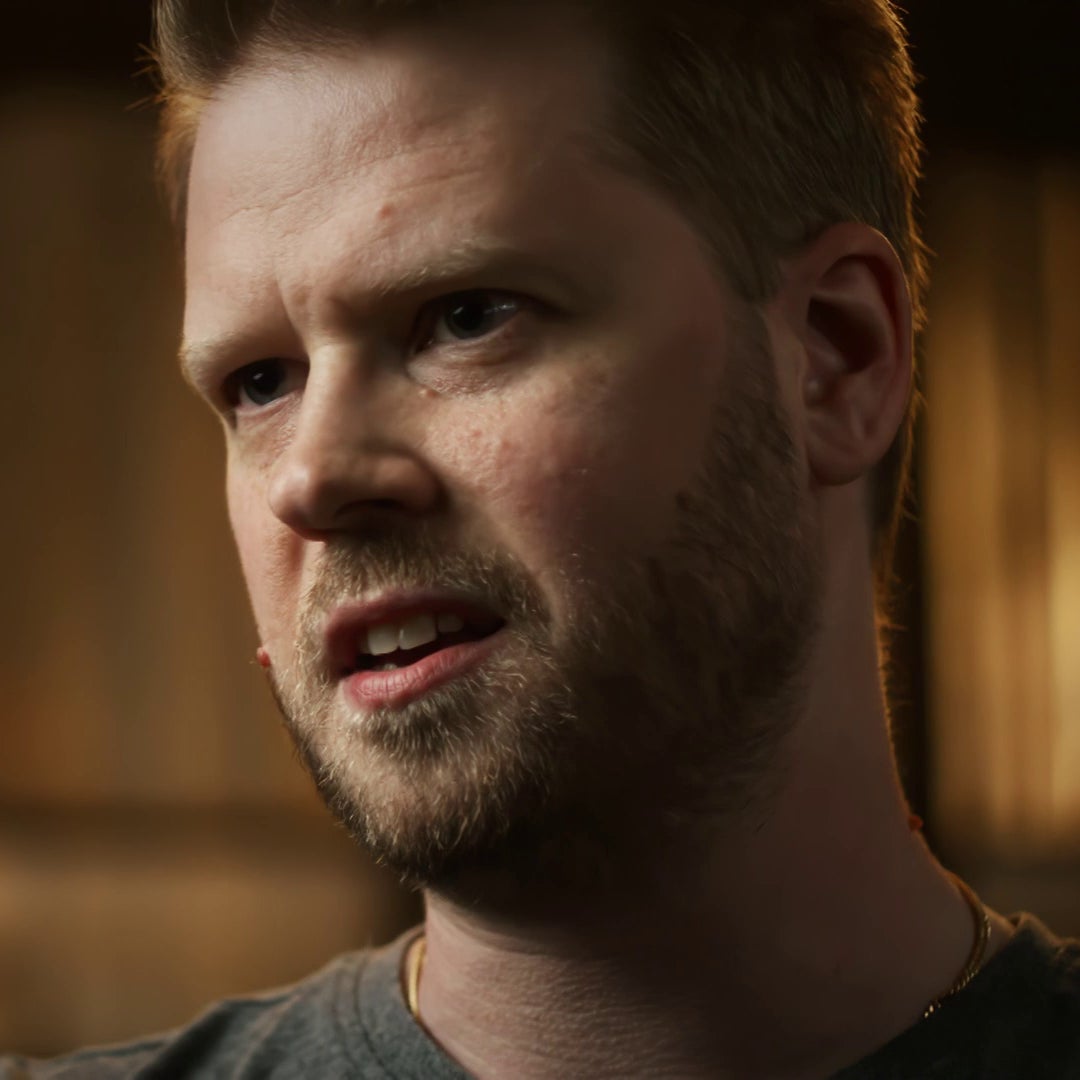
However, for Denis Dyack, CEO of Deadhaus Sonata developer Apocalypse Studios, a key factor that’s making the landscape more challenging is that anyone, including “giant publishers with insane amounts of money, manpower, and resources,” can launch a game into Early Access.
“They can put up a polished product and rake in cash; it’s a marketing beat for them,” he explains. “So, that leaves players often expecting a near-perfect game that, in our opinion, defeats the purpose of Early Access, which is a collaborative development process based on player feedback. AAA publishers are abusing Early Access, skewing player expectations in such a way that it heavily disadvantages smaller independent developers.” He cites Subnautica 2 and Path of Exile as examples of Early Access games “drastically changing the landscape and players’ expectations.”
Dyack explains that Apocalypse Studios never expected Deadhaus Sonata to be compared to Early Access games with AAA budgets and, as a result, says the team hit “significant barriers to entry” and had their marketplace impact “significantly reduced.”
“Smaller teams are being held to a much higher standard than they were in the past”
“Players naturally compare everything in the same marketplace, so smaller teams are being held to a much higher standard than they were in the past,” adds Ethan McKinnon, creative director at Apocalypse Studios.
Both McKinnon and Dyack advise developers entering Early Access to keep this in mind, recommending they also prioritise strong game performance (and an understandable concept), take Steam reviews into account, and build trust with influencers to go toe-to-toe with AAA marketing budgets. “Developers need to treat Early Access like a real launch, because players do,” McKinnon says.
Key to success
Early Access has been an incredible boon for a number of developers. “If Early Access as a model hadn’t existed, Valheim never would have gotten as big as it did,” says Iron Gate CEO Richard Svensson. “Even if we had an enormous budget and worked on the game in secret for five years up until the launch, we never would have been able to reach the amount of people that we have.”
“Having the game out there and being able to work with the live community is really the only way that Valheim would have ever reached the success it has.”

Subnautica is another game that benefited massively from the initiative. “When the first Subnautica entered Early Access, it was a new program for Steam, with no real process or understanding of what did and didn’t work,” recalls Gallegos (the game launched in December 2014, the year after the program started). “The team viewed it as an opportunity to experiment with content and features alongside players in real time.” The experiment paid off in both financial and development terms, with player feedback being instrumental in shaping the game’s direction.
So when it came to deciding whether Subnautica 2 should launch in Early Access, there was “no decision to make,” Gallegos says. “Participating in Early Access means we can still pivot and change the game in meaningful ways that simply launching a complete experience and hoping we got it right wouldn’t allow,” Gallegos explains. “It’s core to our DNA now.”

Greg Kasavin, creative director at Supergiant Games, is also a convert. “Early Access development was instrumental to the success of the original Hades, inspiring us to make a bigger and better game than we would have otherwise,” he says. “So we knew we wanted to reapproach that process with Hades 2.”
The opportunity to gain some much needed funding is one of the big draws of Early Access. After starting the quirky life-sim Paralives as a solo project in 2019, Massé used funds raised through Patreon to put together a studio to develop it, but he still faces a Goliath. Paralives’ main competitor, The Sims 4, boasts over 12 years of content and the financial backing of EA.
According to Massé, for Paralives to offer the same amount of content and features, a “ton of work” is needed. So he launched Paralives into Early Access in May 2026 – and within eight hours, it had sold 250,000 copies. “As a small team and because of the scope of the game, Early Access was the only option,” Massé says. “[It] gave us financial security and allowed us to collect a huge amount of feedback that we can use to improve the game.”
The game changer
Direct feedback from your target audience is another key draw of Early Access. “Communicate openly with your players,” advises Gallegos. “Be honest with them and make them understand how crucial they are to the process. Preserve your vision, but listen to them and let them help you bring the best out of your game.”

Svensson echoes this sentiment. “You need to remember that it’s about working with a community. If you don’t want to do that, you might as well develop your game on your own and release it once it’s done,” he says. “However, you need to make sure that you still have a clear vision for the game you want to make; otherwise, you risk getting run over by the community completely.”
To butcher an old saying, no plan survives contact with the players. But it’s still important to have one. “Go into it with a plan,” advises Knight. “But also be willing to change the plan.”

It can sometimes be a little overwhelming. Massé explains that the wealth of feedback the team has received in Paralives’ first few months has been incredibly useful, but cautions that it’s “easy to get lost in it,” especially as some players want more focus on new content while others want feature improvements. “It can become difficult to decide what to prioritise next,” he says.
But Knight says that player feedback has been the most valuable takeaway from Phasmophobia’s Early Access period. “It’s allowed the game to almost transform into something else,” he explains. “By the time we get to 1.0, Phasmophobia is going to be a much bigger and better game.”
Endless Early Access
According to GameDiscoverCo, the average Steam Early Access period is 21 months – but some games linger for much longer than that. Massé is hoping Paralives will leave Early Access in 2028, some two years after it launched; but Valheim stayed in Early Access for over five years.
Part of the reason is that the boundaries kept changing. Svensson says he started Valheim as a solo project, but released it into Early Access in February 2021 as he “couldn’t afford to keep working on it,” and Early Access seemed like “the only reasonable solution at the time.” In the first month, it sold more than five million copies; by 2022, over 10 million. Valheim 1.0 was finally released on September 9, 2026, by which time it had sold 17 million copies.

“The original plan was perhaps two or three years in Early Access, but with every update our ambitions have only increased,” Svensson explains. “We have also always tried to keep the team relatively small, but even so, the production scale now is gigantic compared to what it was at the time of the Early Access release,” Svensson says.
The bar just keeps getting higher. “Back then, when we made a new biome, it was basically the same thing with a new coat of paint, but today it’s just so much more,” he explains. “It’s not just about content anymore, and that’s what made the development time longer than we first expected.”
Phasmophobia has had a similar story, with sudden success forcing a change of tack. Like Valheim, it started as a solo project, and Knight worked on it for five years before launching the online co-op horror game into Early Access in September 2020. By the end of the first week, it had sold almost 100,000 units – his target had been 1,000 units in the first year. The original plan was to simply add more content and features for the 1.0 release, but the scope just grew and grew.

“Obviously, I didn’t prepare for what was going to happen,” Knight says. “The 1.0 ended up completely changing from what I had originally planned it would be.”
“My initial plan was to do Early Access for maybe up to two years, and just to add new content and not overhaul everything,” he says. “But due to the success of the game, I had to completely change my plans.”
The full release was expected in 2026, but has now been delayed to the second half of 2027, with a poorly received player character update in May 2026 being “one of the biggest reasons” for the delay. “It didn’t meet the quality bar we set for ourselves,” Knight explains. “And the quality level we want to get to for the 1.0 is a lot higher than the quality level that we have been releasing before.”
A learning experience
Early Access doesn’t always go smoothly. Svensson’s biggest regret about Valheim’s Early Access launch was the roadmap. “It was rushed out because it was pretty much a requirement for Early Access games at the time,” he says. “But it was not thought through properly, and it was only a couple of months before we abandoned it completely.”
He advises other developers preparing an Early Access roadmap to “make sure it’s even remotely doable, and keep it vague. We just made something up that sounded good, and that came back to bite us.”

Gallegos, meanwhile, says the most valuable lesson Unknown Worlds learned from Early Access was to experiment quickly with new features. “Try to ship as soon as possible,” he advises.
“Subnautica often launched features when they were very ugly, incomplete, or prototype,” he explains. “This gave fans a real sense of getting to see game development in progress, in a way few other studios would try, especially for a franchise as big as this.”
He says that Unknown Worlds has “cultivated a very empathetic audience through radical transparency,” with players willing to accept work-in-progress features. “We trust the audience to give us a little grace as we figure things out, and they in turn trust us to make it great in the fullness of time,” he says.
But sometimes the audience is not so accepting.

Denis Dyack has over 30 years of experience in the games industry, and previously founded Silicon Knights (creator of Legacy of Kain), Precursor Games, and Quantum Entanglement Entertainment. The outspoken (and controversial) games veteran is now CEO of Apocalypse Studios, which launched the dark fantasy ARPG Deadhaus Sonata into Early Access in May 2026 to bypass what Dyack describes as the “risk-averse, paint-by-numbers design” of modern AAA development.
“Launching into Early Access was intended to give the studio the runway to experiment with unconventional, systemic concepts that traditional publishers would reject,” he explains. “We believe games should deserve something truly new and innovative, and that Early Access is one of the best ways to roll something like this out to gamers.”
But Apocalypse quickly received backlash from players over Deadhaus Sonata’s performance issues, bugs, lack of content, clunky gameplay, and unpolished state. “We failed to prioritise the basics right from the get-go,” Dyack says. “Also, we didn’t handle Unreal Engine properly at the time and didn’t do a good job explaining what made our game cool and different. In a lot of ways, we were too focused on what made our game so different and unique that it took our attention away from making sure we got the basics done right.”

The feedback was sobering, forcing the team to do “a lot of soul searching” before making major changes to the team and game. McKinnon was brought on board to completely overhaul the visuals and add new gameplay content ahead of the Dark Rebirth update arriving in October 2026.
But on the positive side, getting that early (albeit negative) feedback has given the team time to make these big changes before a full release – when it could have been much more detrimental and more difficult to shake off. “The hard part is that people still form a first impression in Early Access, so you have to earn some of those players back later,” McKinnon says. “That is a big reason we are showing more of the work now and letting people see where the game is going.”
For Apocalypse Studios, Deadhaus Sonata’s Early Access launch was a “demoralising” but valuable lesson that’s shaping their development going forward. “Honestly, we just don’t want to get punched in the face again,” Dyack says. “That’s been motivation enough to really rebuild the game from the ground up.”