



Remedy’s new CEO Jean-Charles Gaudechon has stated that the studio will prioritise its own IP and focus on maximising the potential of its core franchises.
“It’s easy to judge in hindsight, so always be cautious here when you realise how hard it is to make a game, and especially a successful one,” Gaudechon told The Game Business.
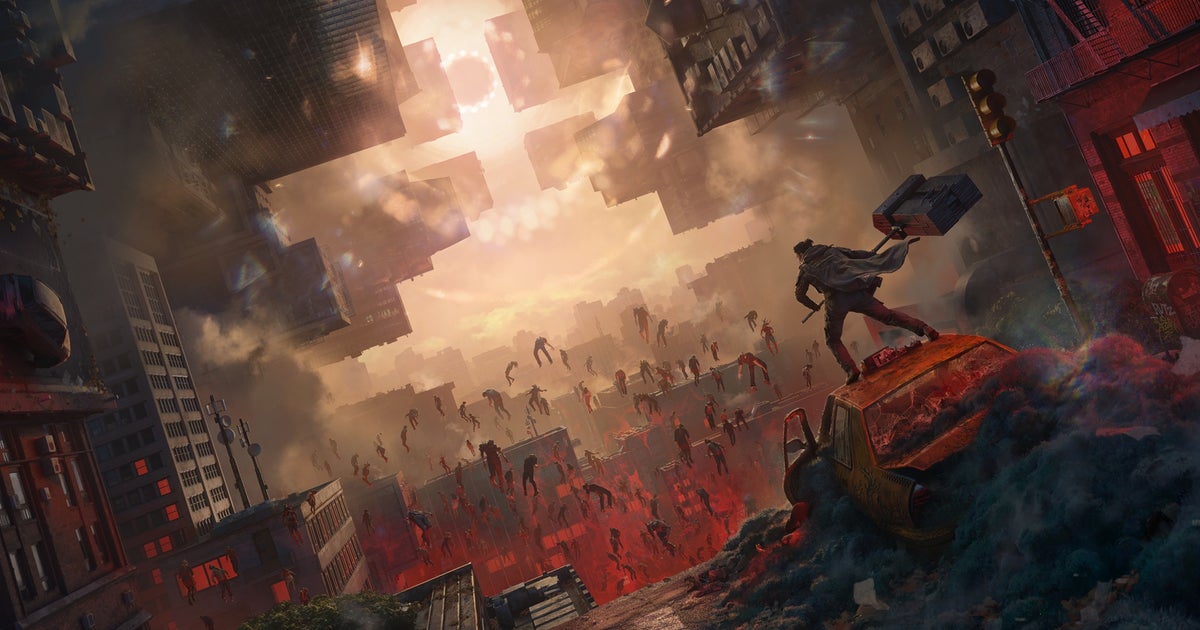
This strategy follows a significant learning experience for the studio, which found entering a new genre with its first self-published game, FBC: Firebreak, was a larger leap than anticipated.
“I have tremendous respect for previous management and for the team, which is still here. But it doesn’t always work. Going into a bit of a different genre, that’s when you see that the leap is sometimes much bigger than it looks. That’s one of the big learnings.”
After its launch last June, Remedy revised its FY25 outlook due to weak sales of the co-op title and recorded a non-cash impairment of €14.9 million.
Remedy was “unsatisfied” with Firebreak’s consumer sales and noted that the title “underperformed” on Steam, even though it was “planned as the primary consumer sales channel on PC.”
Firebreak received its final major content update earlier this year, with assurances to players that it will remain online and playable “for years to come.”
“Whether it’s the success it should or shouldn’t have been, there are a lot of things that come into play. It’s also the first self-published game, which was at a smaller scale than Control Resonant will be. There were some learnings there, too, around how you go through that process, how you position a game, how you manage community, etc.”
Looking ahead, Gaudechon emphasised that Remedy will focus on expanding its established IPs.
“Remedy is already one of the biggest game authors, with very strong signature products,” Gaudechon noted.
“Now, after seeing it from the inside, there’s so much more we can give in terms of super-strong authored, creative, crazy stories and gameplay. Honestly, we haven’t achieved half of the potential in terms of the products that we make.”
In 2024, Remedy signed an agreement with Annapurna to fund Control Resonant and adapt both the series and Alan Wake for television and film.
“[Our deal with] Annapurna goes into making our games, our franchises shine further and reach an audience that doesn’t exist today,” said Gaudechon.
“It’s a pity, I think Alan Wake should have sold more. Control should have sold more. To me, that’s one of the first things we need to fix, even before trying to make more games to a certain extent. First of all, maximise the potential of the ones we have, because they’re incredible. And cross-media is going to help us do that.”
Gaudechon emphasised that he doesn’t want Remedy to “go after a market segment” like free-to-play mobile, unless it “actually builds on one of our core IPs and strengths.”
“You don’t try to go after business and turn that back into making a game. That’s never worked. To me, [the things we don’t do] is everything that goes far from our core strength, which is narrative, single player and some of the awesome IPs that have been created.”
Gaudechon concluded: “In years to come, I think there’s going to be more and more vanilla products that are just trying to make quick money. How do you differentiate yourself? By your creative voice, by actually saying and standing for something that is unique to you, that represents you. Remedy has done the hardest part by doing all this.”
